

Picture this: you wake up to water soaking your carpet, creeping up the drywall, and your furniture already ruined. It’s not just the mess that breaks you. It’s the panic. What to do next? Who to call? Can you fix it? Most homeowners in Utah only think about flood repair after the damage is already done.
But what you do in the first few hours and days can either save your home or double the cost. Some mistakes seem small but spiral fast. We’ve seen it happen hundreds of times. That’s why this blog will walk you through what not to do and how to protect your home smartly.
Utah Flood Repair: The Mistakes You Can’t Afford to Make
Flood repair isn’t just water cleanup. It’s recovery. It’s structure safety. It’s future planning. So, when you cut corners or delay the wrong step, you’re not saving money. You’re inviting more problems.
Let’s break down the ten missteps that can cost Utah homeowners more than just dollars.
1. Waiting Too Long to Start Drying
Every hour counts. Water seeps deeper than you think. It’s under the floors, inside the walls, even in the air. The longer it sits, the more you risk rot, mold, and irreversible damage.
The right move? Call a professional immediately. Use industrial dehumidifiers, air movers, and moisture readers. If you’re relying on fans from the garage, you’re already behind. A smart flood repair Utah team comes with gear meant for full extraction and fast drying.
2. Skipping the Moisture Inspection
Just because it looks dry doesn’t mean it is. Moisture hides. We’ve found soaked insulation behind clean walls, warped beams beneath solid flooring.
A real Utah flood repair process always includes a full moisture check using high-sensitivity tools. This tells you exactly where the water reached and where drying is still needed. Skip this, and mold finds its way back.
3. Using Bleach to Kill Mold
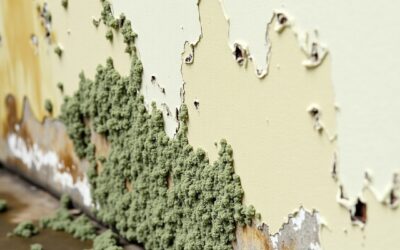
Bleach smells strong, but it doesn’t fix mold issues deep in porous materials. It only treats the surface. Real mold remediation takes targeted antimicrobial agents, proper air control, and often material removal.
Letting mold linger causes health problems, bad smells, and future repair bills. Don’t mask it. Eliminate it.
4. Forgetting to Remove Damaged Materials
If drywall or insulation is soaked, it needs to go. You can’t dry it out and hope for the best. Same goes for carpet pads, particle board, and warped cabinetry.
Proper flood repair Utah experts help you identify what’s salvageable and what’s not. Holding onto damaged materials always ends badly.
5. Ignoring Basement and Crawl Space Hazards
Neglecting below-ground areas is one of the costliest mistakes in Utah flood repair. Here’s a look at common oversights and how to avoid them:
| Problem | What Most Homeowners Do | What Experts Recommend |
| Standing water | Pump it out, ignore moisture | Full dry-out and vapor barrier install |
| Damp insulation | Leave it in place | Replace with closed-cell foam |
| Hidden leaks | Seal visibly cracked walls | Run full leak trace before resealing |
| Humidity | Use small home dehumidifier | Deploy commercial-grade units |
Getting this part right can stop major structural issues from surfacing months later.
Right now, investments are going toward building better tools to map risks like landslides and flooding in Utah’s mountain zones. That should tell you how serious this issue is becoming.
6. Filing Insurance Without Documentation
You can’t just tell your adjuster what happened; you need proof. That means photos, itemized lists, repair estimates, and expert statements.
Start documenting right away. Before anything moves, take photos of each room, each item affected, and any visible water lines. A flood repair Utah team can help organize it for your claim so you don’t get shortchanged.
7. Hiring General Contractors Without Flood Expertise
Not every contractor knows how to handle water damage. Just because they built a nice deck doesn’t mean they know moisture behavior, drying timelines, or mold patterns.
You need a team that does flood work every day. They know what to rip, what to save, and how to restore the structure without shortcuts.
Working with the wrong person can make damage worse, and that means you’ll be paying twice.
8. Rebuilding Without Upgrades
Rebuilding exactly how things were before? That’s a wasted chance. Once you open walls and replace materials, go better. Use water-resistant insulation. Swap wood baseboards for PVC. Install floor drains or sump backups.
A smart flood repair Utah plan includes long-term solutions, not just patchwork. This way, next time water hits, you recover faster and safer.
9. Skipping Outdoor Drainage Fixes
Flood damage isn’t always about broken pipes or storms. Sometimes it’s your yard. Poor grading, clogged gutters, or missing downspouts can drive water straight into your basement. That’s why the fix isn’t just inside the house.
Fixing slope issues, adding proper drains, and extending downspouts can stop the next flood before it starts. A local flood repair Utah crew knows what to spot and what to recommend outside, not just inside. Skipping that step just sets you up for the same mess again.
10. Trusting a Quick Dry Means You’re Done
Your floors feel dry. Walls look okay. Smell’s gone. Must be over, right? Not so fast. The biggest mistake many Utah homeowners make is thinking quick surface drying means success. Deep moisture lingers.
It hides behind trim, under vinyl, inside studs. Just because it feels dry doesn’t mean it is. Without a final clearance test from a proper flood repair Utah team, you could be setting yourself up for hidden mold, warped wood, or cracked paint months later. Real drying is verified, not guessed.
Final Thoughts
We don’t just mop up water. We rebuild peace of mind. At Collier, we look beyond quick fixes and help Utah families restore homes with strength, safety, and future prep built in.
If you’re dealing with damage, or want to avoid it later, contact our team for the most trusted flood repair Utah has to offer.

0 Comments