

One storm. That’s all it takes to turn your dry, comfortable home into a soggy mess. You don’t need to live near a coast for flooding to hit you hard. Just one broken pipe or one day of heavy rain could leave you ripping up carpet, tossing ruined furniture, and watching your walls bubble and mold. Sound familiar?
Many homeowners still think of floods as rare or seasonal. But climate shifts say otherwise. Floods are getting nastier, more frequent, and far more expensive to recover from. Most people act only after the damage is done. But what if you could be ready before the next one hits? That’s the goal of this guide.
Why Flood Damage Restoration Matters More Than Ever
Flooding is more than wet floors and ruined furniture. It eats away at your foundation. It warps wood. It grows mold in dark places you can’t see. But that doesn’t mean you’re helpless.
When you treat flood damage restoration as part of your home’s future-proofing plan, not just cleanup, you stop the cycle of disaster. Restoration isn’t just drying things out. It’s rebuilding smarter.
So if you want to stay ready, not sorry, these ten tips will help.
1. React Fast, Don’t Wait Until It Smells Musty
The first hours after a flood are critical. Mold starts forming fast. Furniture starts soaking deep. Flooring starts lifting.
That’s why you can’t waste a minute. Call a pro early. Document damage. Turn off power. Get things drying immediately. At Collier, early response means less damage, less cost, and less stress.
We use top-grade drying tools, thermal cameras to find hidden water, and dehumidifiers that keep your air clean while drying your space fast.
If you’re slow to act, the flood wins twice: once when it hits and again during cleanup.
2. Get a Full Moisture Assessment
Surface drying is never enough. Water hides in insulation, baseboards, under floorboards, and behind cabinets. If left, it rots and molds silently.
Our team starts flood damage restoration with full moisture readings. We don’t guess. We scan walls, floors, ceilings with high-grade meters. If it’s wet, we find it.
Missing one inch of moisture can cause ten times the damage later. So we don’t miss it.
3. Save What Can Be Saved, Toss the Rest
Not everything needs to go. But not everything can stay. We evaluate item by item: is it safe to restore or better to remove?
We save furniture, hardwood, electronics, and even art, if caught early. But soggy drywall or saturated insulation? Out it goes.
Safe cleanup means making the hard calls. We walk you through each one.
4. Kill Mold Before It Has a Chance
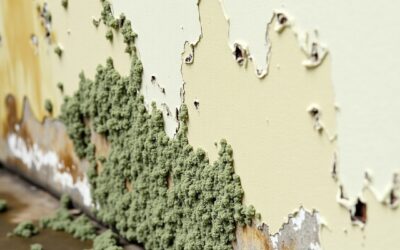
If mold has time to settle, it spreads fast. Even on things that look dry.
Our flood damage restoration includes antimicrobial treatment across all impacted areas. We treat even places that “look fine.”
Better to kill it now than rip out a whole wall six months later.
5. Use Flood-Resistant Materials During Repair
Here’s where most people go wrong: they fix everything using the same materials that just failed.
We don’t do that. We rebuild using flood-smart products: cement board instead of drywall, closed-cell foam insulation, and vinyl or tile instead of wood floor.
That way, if it floods again, cleanup is quicker and less painful.
6. Don’t Rely on Your Eyes, Use Technology
You can’t see most water damage. But we can. Using thermal imaging, we scan your space and find pockets of moisture behind walls or under tiles.
This lets us dry your home properly the first time. No tearing things up later. No hidden mold surprises.
With flood damage restoration, accuracy saves you time and money.
7. Make Your Basement Your First Defense
Basements flood first. That’s why reinforcing them matters most. Here’s how we approach basement flood prevention:
| Problem | Standard Setup | Smarter Upgrade |
| Cracks in wall | Patch or paint | Epoxy sealant system |
| No sump pump | Manual cleanup | Dual sump with battery backup |
| Floor drains clogged | Rarely checked | Monthly inspections |
| Insulation soaked | Left untouched | Closed-cell foam only |
Fix the basement, and you cut most flood risks in half.
8. Document Everything for Insurance
Flood damage gets messy, physically and financially. Insurance can cover a lot. But only if you have records.
We help you photograph every stage: the damage, the cleanup, and the repairs. We write detailed estimates and scope of work reports. If needed, we talk directly to your adjuster.
No stress. No miscommunication. Just clarity.
9. Don’t Wait for Floods, Plan Before It Happens
The best flood fix is prevention. Our team offers prep consultations before disaster hits. We check slope grading, drain placement, pump condition, and material durability.
If you’re in a flood-prone zone, your best move is to act now. Future-proofing means thinking one season ahead.
Flood damage restoration is cheaper when it’s planned. And cleaner when it’s not an emergency.
10. Flooding Isn’t Just a Risk, It’s the New Normal
Too many people still think a flood is something that happens to someone else. But the truth is, it’s already happening to thousands across the U.S. and it’s happening more often. Floods, storms, and other natural events caused damage that crossed into billions just last year alone.
That kind of loss isn’t rare anymore. It’s something every homeowner should expect. When you look at it like that, flood planning becomes less of a backup plan and more of a basic need. And flood damage restoration becomes part of smart, long-term living, not just emergency response.
Last year, weather disasters like floods and storms caused well over a hundred billion dollars in property loss across the U.S.
Final Thoughts
We don’t patch and go. We walk with you from panic to peace. If you want your home rebuilt right after the flood, or built smarter before it, trust the team that makes flood recovery personal.
Call Collier today. We know flood damage restoration inside and out. We’re not just experts, we’re your partner through the storm.

0 Comments